A compass is an object that promises direction.
For a child, that promise can be wonderfully literal. It suggests exploration, adventure, and the possibility of going somewhere unknown and finding the way back.
Older metal compasses also belong to a world before digital maps and phones could instantly tell us where we were.
American Material Memory preserves the physical experience of navigation—the weight of the object in your hand, the needle moving toward north, and the feeling that knowing where you were required a little more attention.
From the Artist:
One of my first real drawing tools was a cheap, stamped steel compass that was made in Taiwan and sold at W.T. Grants in Algonac, Michigan.
The only store where you could buy everything from your first baseball glove to your first bike to all your school supplies.
Plus, the people at Grants just seemed nicer than the people at Ben Franklin's, another Algonac store.
A compass is an object that promises direction.
For a child, that promise can be wonderfully literal. It suggests exploration, adventure, and the possibility of going somewhere unknown and finding the way back.
Older metal compasses also belong to a world before digital maps and phones could instantly tell us where we were.
American Material Memory preserves the physical experience of navigation—the weight of the object in your hand, the needle moving toward north, and the feeling that knowing where you were required a little more attention.
From the Artist:
One of my first real drawing tools was a cheap, stamped steel compass that was made in Taiwan and sold at W.T. Grants in Algonac, Michigan.
The only store where you could buy everything from your first baseball glove to your first bike to all your school supplies.
Plus, the people at Grants just seemed nicer than the people at Ben Franklin's, another Algonac store.
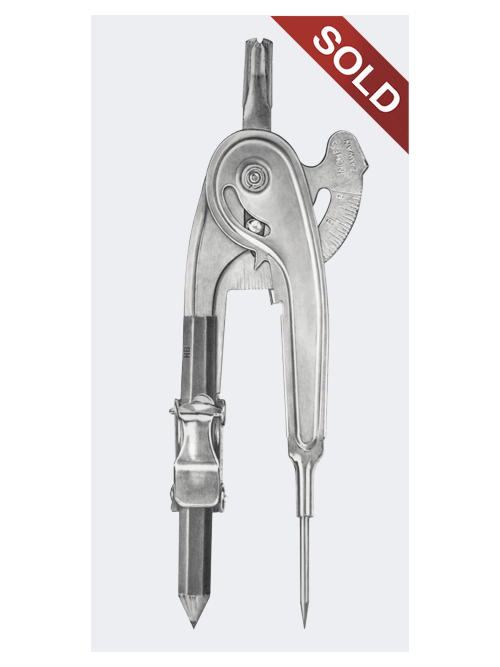 Image 1 of 5
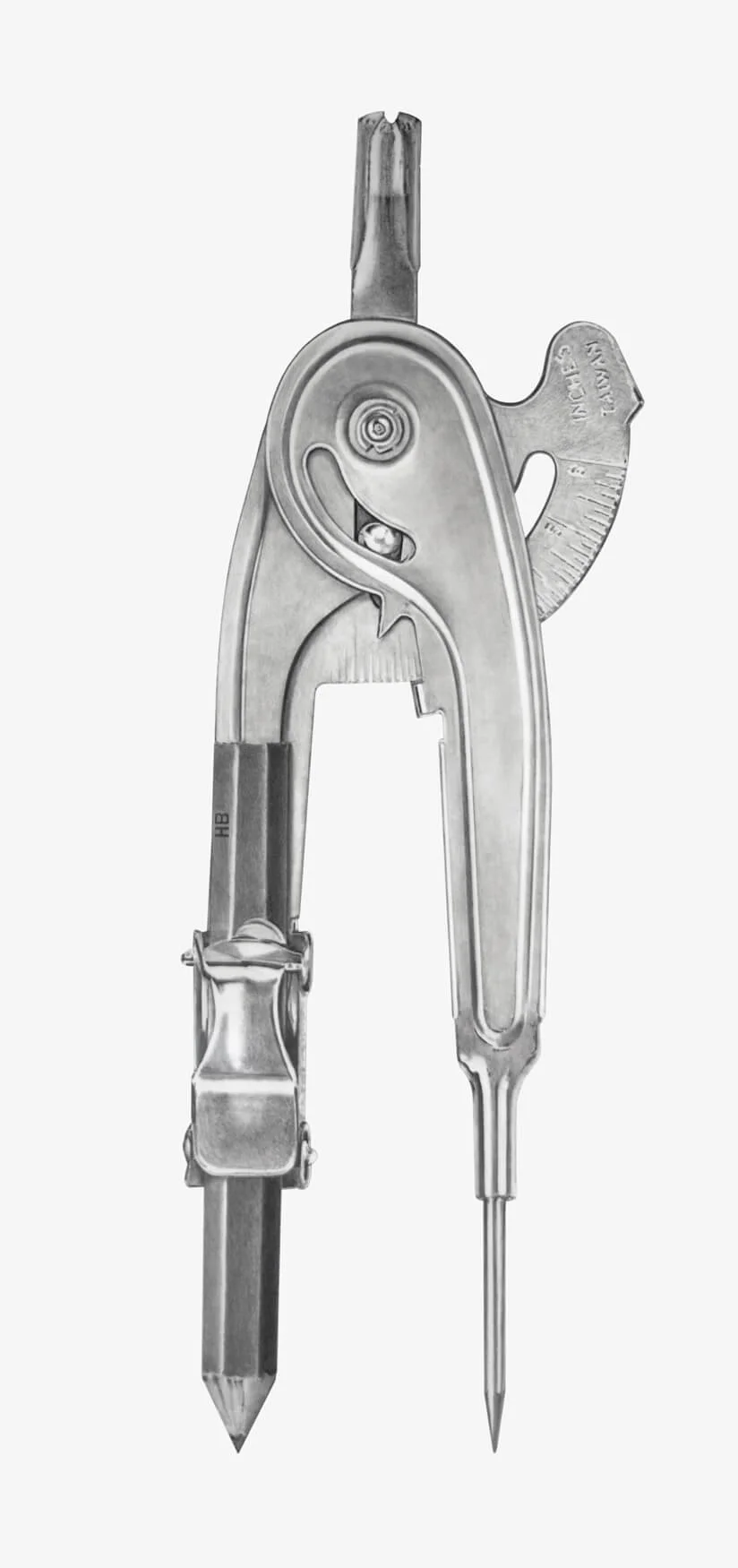 Image 2 of 5
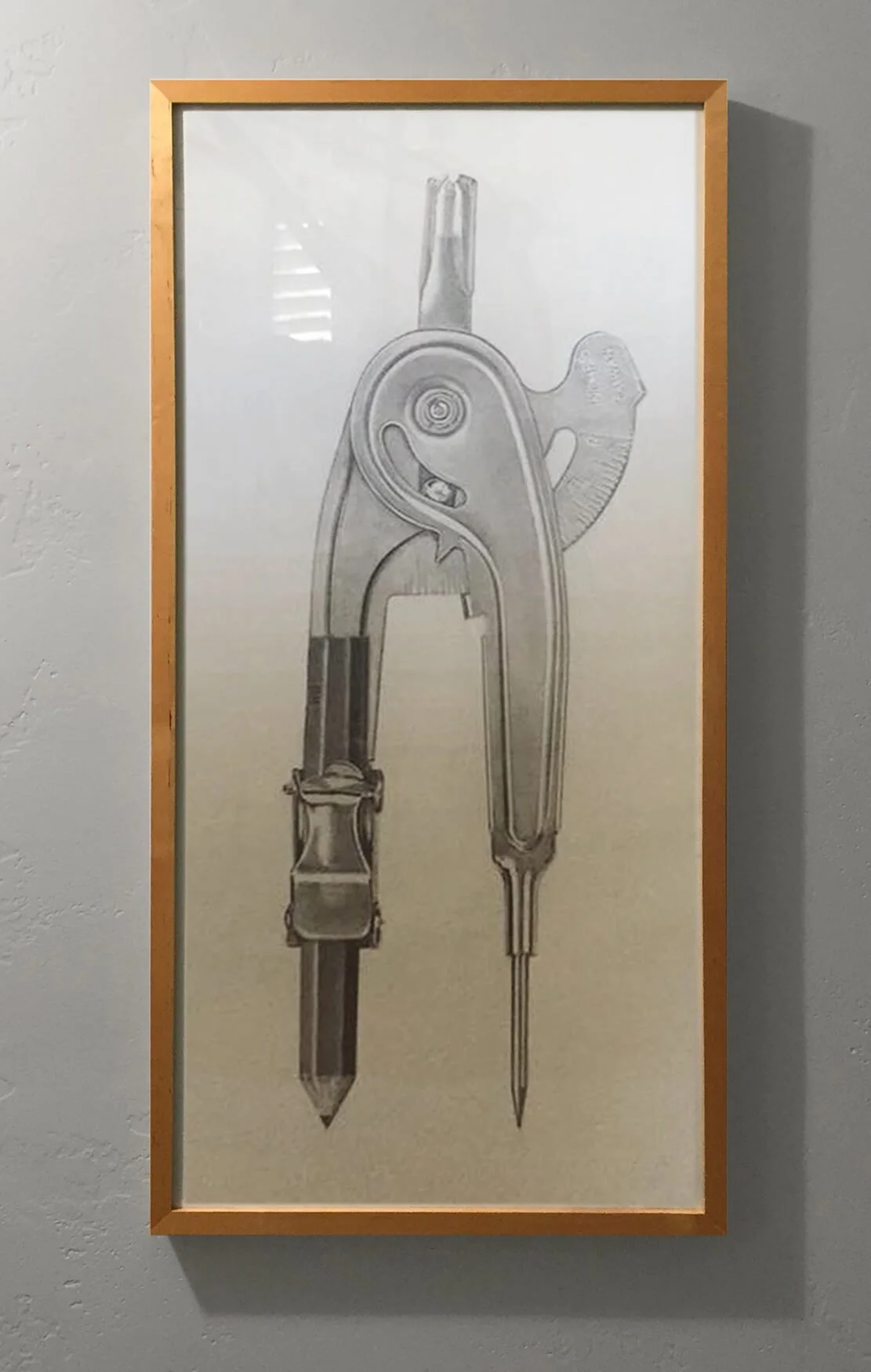 Image 3 of 5
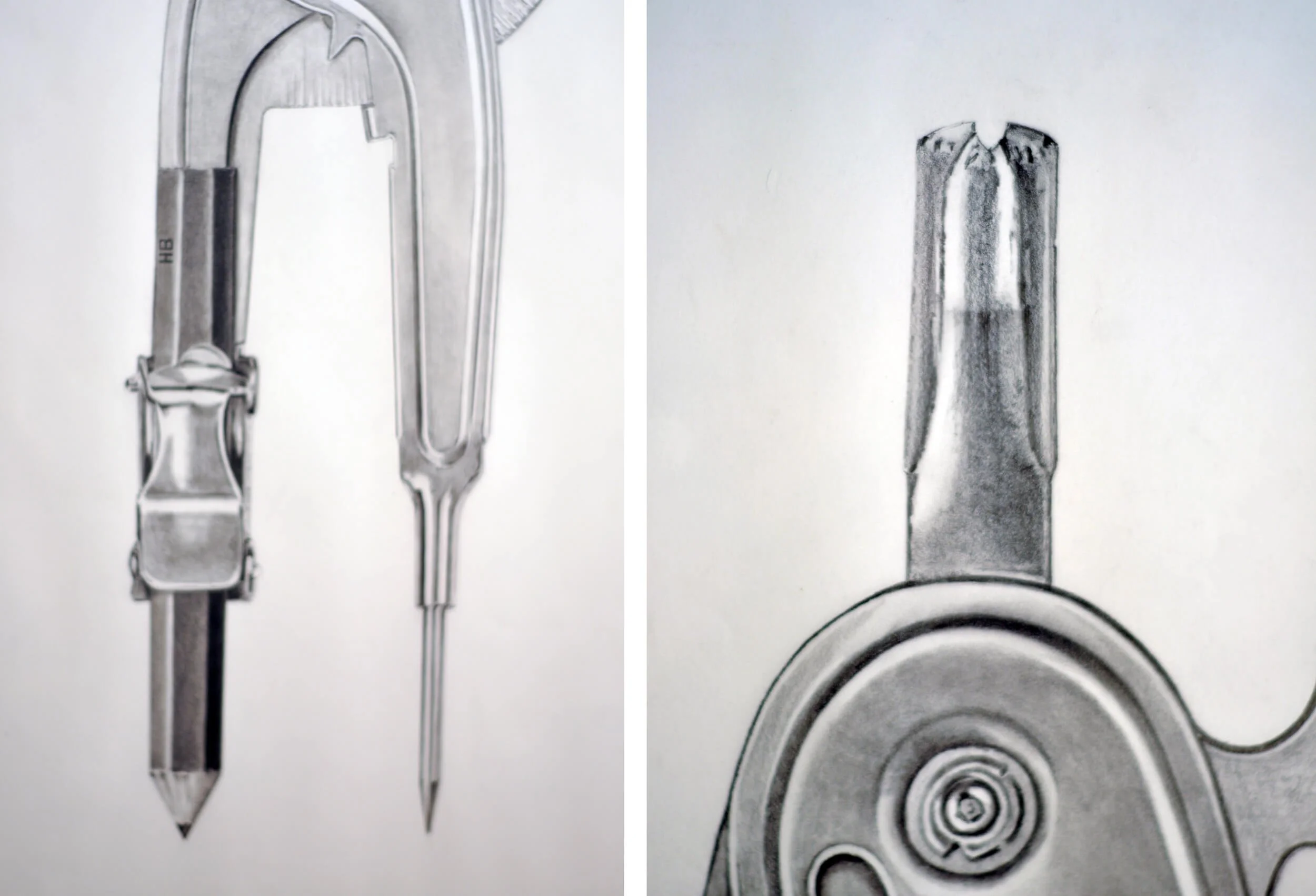 Image 4 of 5
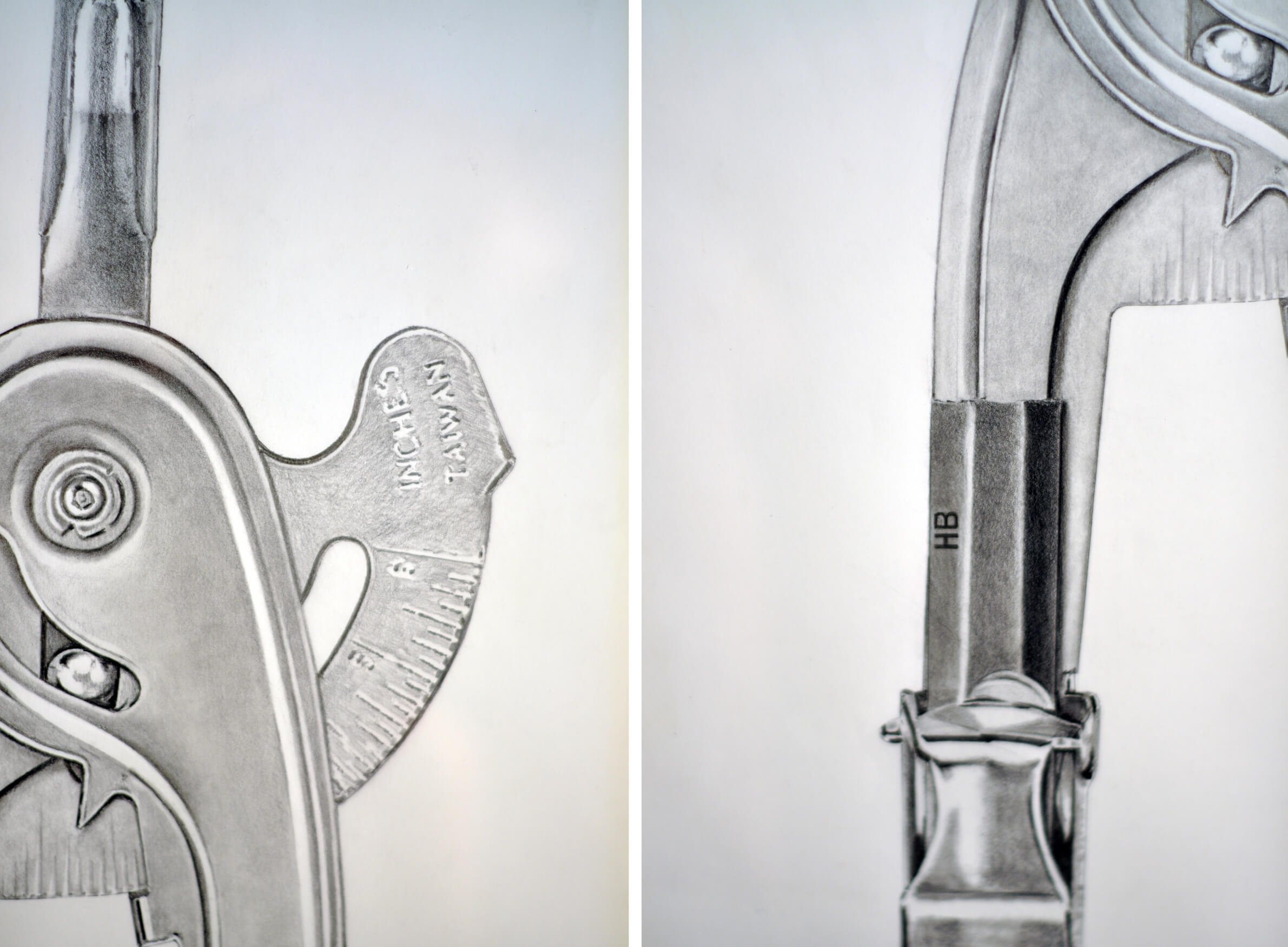 Image 5 of 5