American Material Memory is the idea that ordinary objects quietly preserve extraordinary lives.
Few of us remember a toy, bicycle, fishing lure, lunchbox, or skateboard simply because of what it was. We remember it because it shared a particular season of our lives. Long after these everyday possessions disappeared through garage sales, donations, or the weekly trash, they continued to preserve something far more valuable: birthdays, summer vacations, scraped knees, family traditions, neighborhood adventures, first jobs, and countless ordinary moments that eventually became our memories.
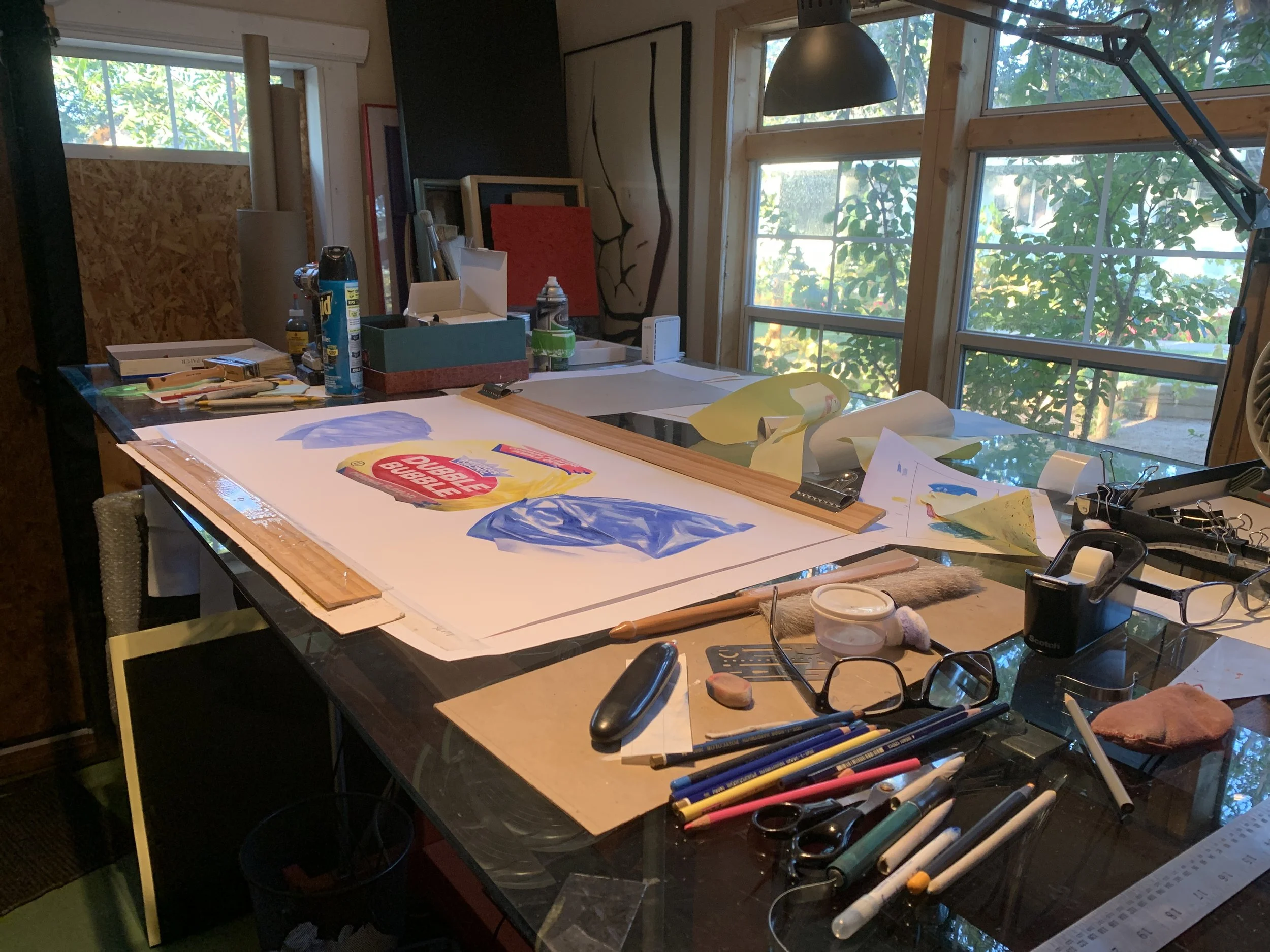
My drawings are not attempts to celebrate vintage objects for their rarity or collectibility. They are portraits of memory. By isolating familiar objects and rendering them with extraordinary care, I invite viewers to slow down long enough for forgotten moments to return. The drawing gradually becomes less about the object itself and more about the life it quietly remembers.
Over time, I noticed something unexpected. People weren't talking to me about my shading or blending abilities. They'd look at my work, sometimes studying it closely, and say things like, "My brother had one." "I got that for Christmas." "My grandfather taught me to fish with one." "I haven't thought about one of these in fifty years."
They were describing their own memories.
Not the object.
It was those interactions that helped me discover that realism is not the destination. It is simply the vehicle. Every reflection, worn edge, faded label, scratch, and surface is drawn with care because recognition depends upon accuracy. The more faithfully an object is remembered on paper, the more easily viewers remember the moments it once occupied in their own lives.
It's one of the things I've come to love about exploring American Material Memory. Every drawing begins as an object and ends as someone's story.
“Ordinary things matter because ordinary lives matter.”
— Mike Pitzer
American Material Memory rests on four simple ideas:
Objects as storytellers — Everyday things quietly record the lives of the people who owned and used them.
Shared American experience — Although the memories are personal, many are culturally shared across generations.
The dignity of ordinary things — A sled or Tootsie Pop deserves the same careful attention traditionally reserved for portraits or fine antiques.
Craft mirroring memory — The slow, deliberate process of drawing reflects the way memories themselves are revisited, examined, and preserved.
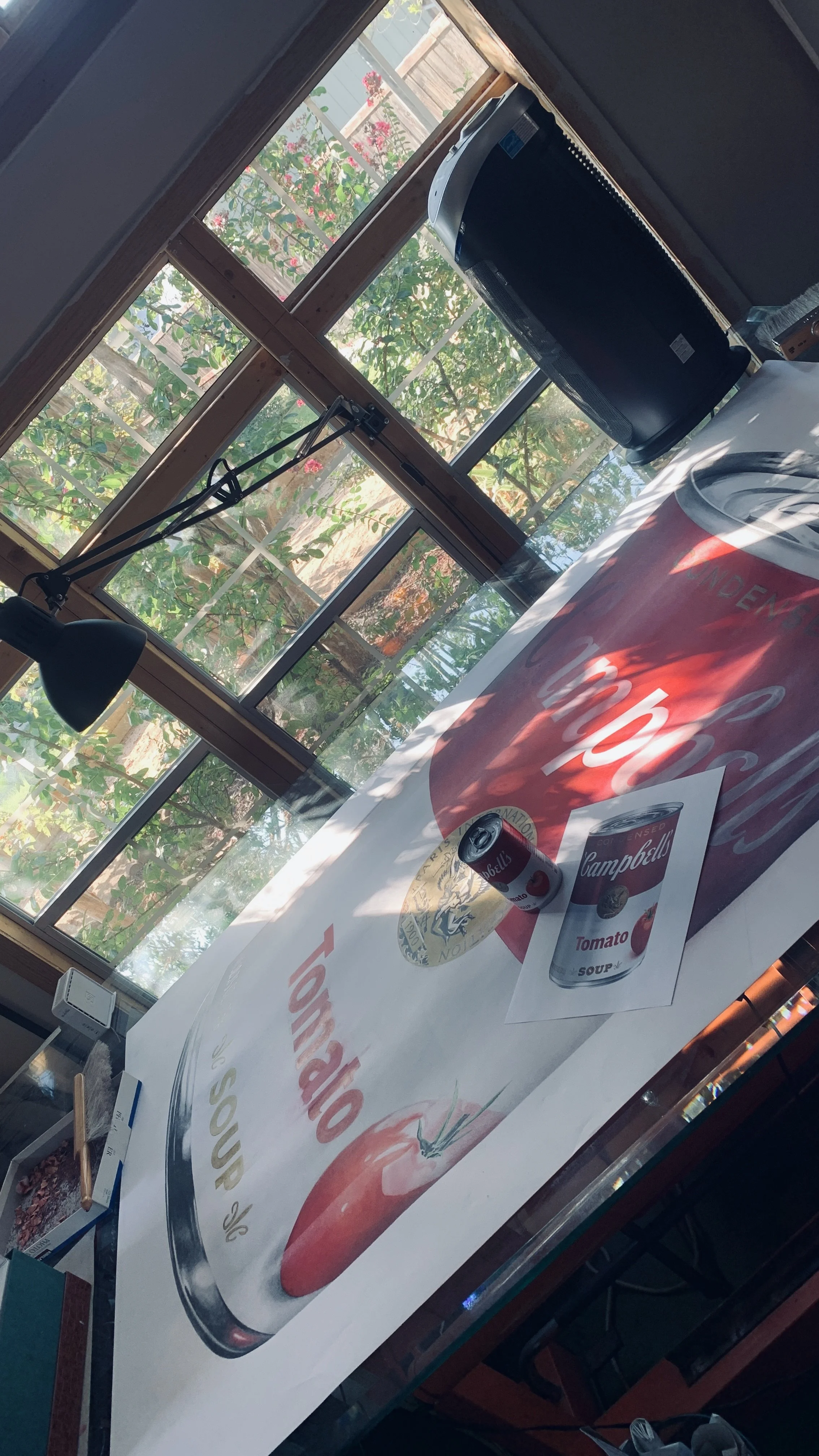
For years, I searched for a way to describe what I was really drawing. Words like nostalgia, Americana, and realism each captured part of it, but none captured the whole. I eventually realized my work wasn't about rendering objects themselves—it was about the memories they carry. That's why I call this body of work American Material Memory. It's the idea that the ordinary things we once held, played with, used, and treasured become lasting repositories of our personal histories and our shared American experience. By enlarging these familiar objects to monumental scale and presenting them against clean white backgrounds, I remove them from everyday life and ask viewers to see them differently. What was once ordinary becomes worthy of contemplation. What was once overlooked becomes unforgettable.