Candy is one of the clearest examples of how material objects can preserve childhood.
A Tootsie Pop was inexpensive, recognizable, and temporary. It was bought with allowance money, shared with friends, or offered as a small reward.
Yet decades later, the wrapper and shape can bring back a particular store, a particular summer, or the feeling of having a little money to spend.
That’s American Material Memory: ordinary manufactured objects becoming containers for extraordinary personal associations.
From the Artist:
A piece of Bazooka Bubble Gum or a Tootsie Pop was one of those rare purchases a kid could make entirely on his own.
Gum was a penny. Tootsie Pops were a nickel.
Grape was always my go-to flavor. Maybe Tootsie Pops are my go-to subject matter.
The actual candy might last five minutes because I didn’t have the patience to find out “How many licks it takes to get to the center of a Tootsie Pop?”
A Tootsie Pop wasn't made to last; somehow, the memories do.
Candy is one of the clearest examples of how material objects can preserve childhood.
A Tootsie Pop was inexpensive, recognizable, and temporary. It was bought with allowance money, shared with friends, or offered as a small reward.
Yet decades later, the wrapper and shape can bring back a particular store, a particular summer, or the feeling of having a little money to spend.
That’s American Material Memory: ordinary manufactured objects becoming containers for extraordinary personal associations.
From the Artist:
A piece of Bazooka Bubble Gum or a Tootsie Pop was one of those rare purchases a kid could make entirely on his own.
Gum was a penny. Tootsie Pops were a nickel.
Grape was always my go-to flavor. Maybe Tootsie Pops are my go-to subject matter.
The actual candy might last five minutes because I didn’t have the patience to find out “How many licks it takes to get to the center of a Tootsie Pop?”
A Tootsie Pop wasn't made to last; somehow, the memories do.
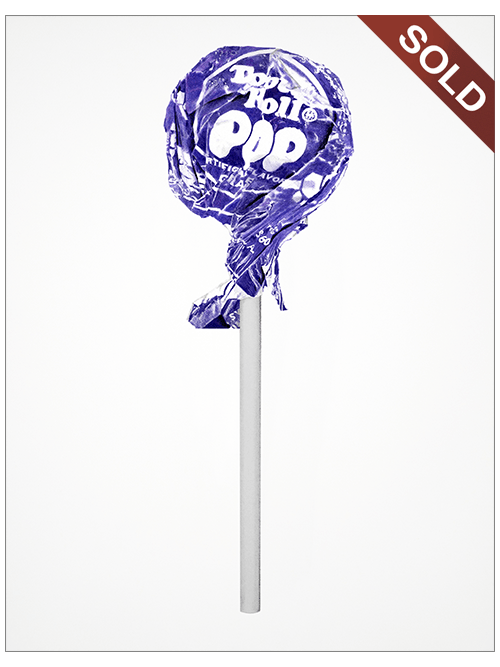 Image 1 of 4
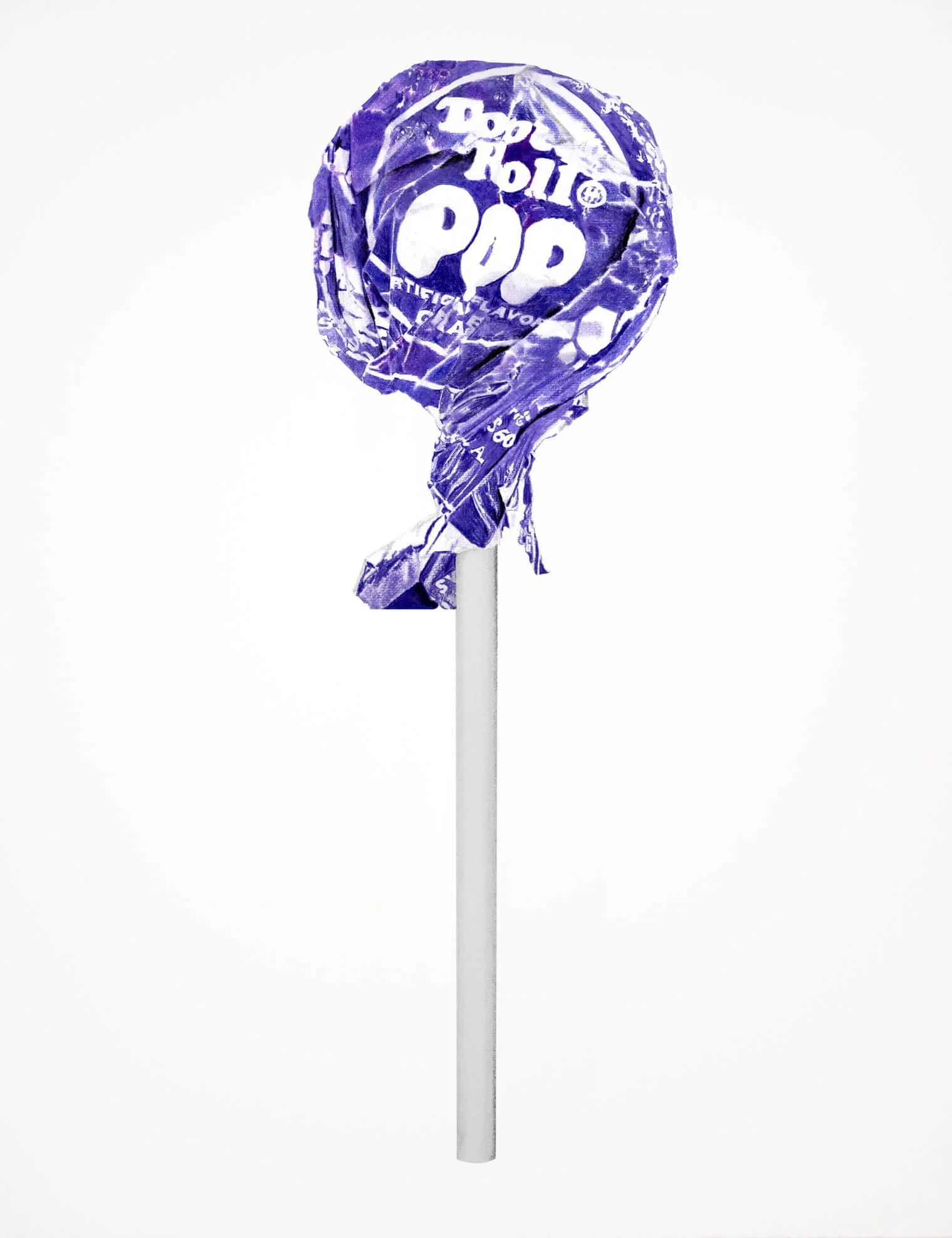 Image 2 of 4
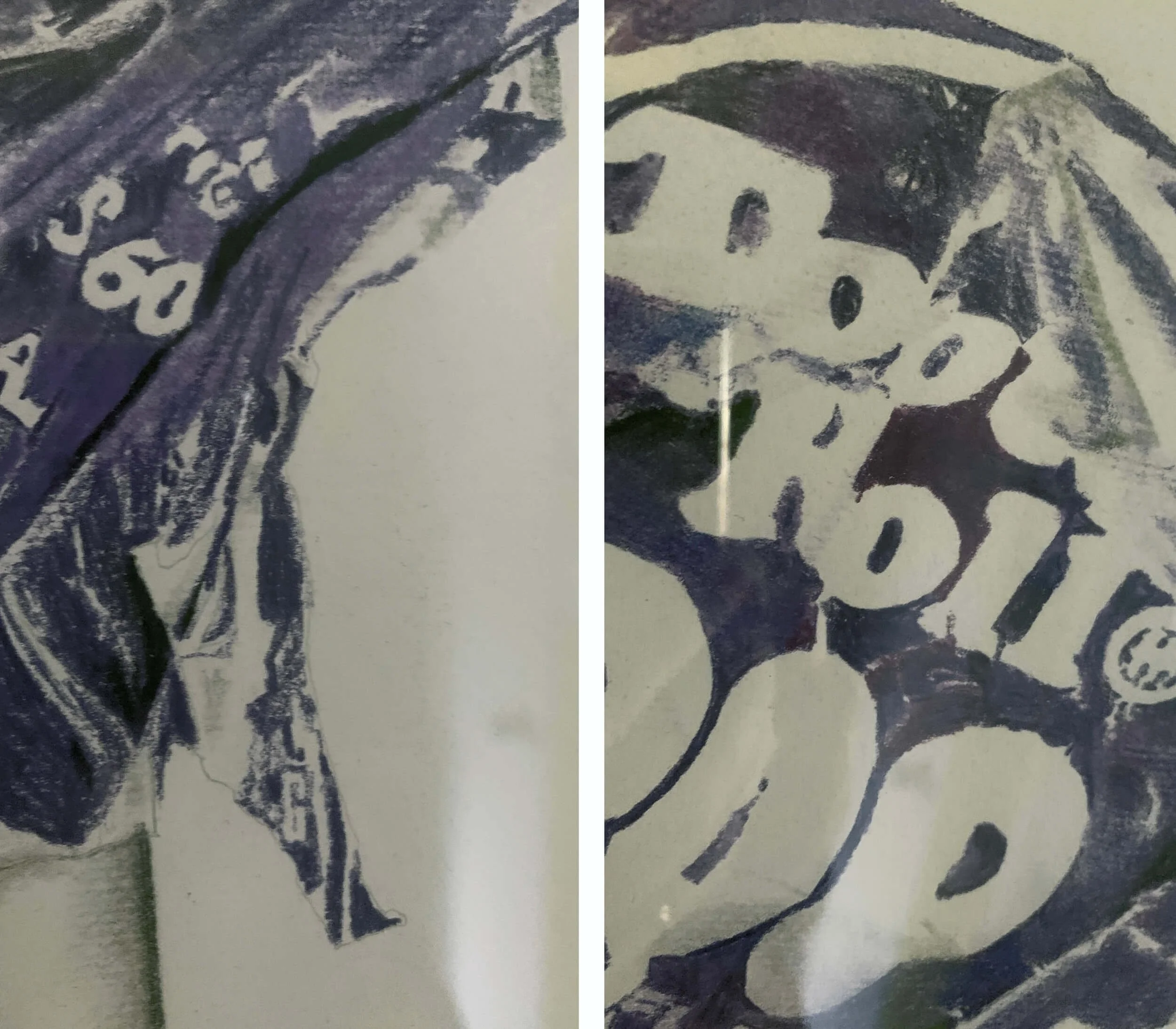 Image 3 of 4
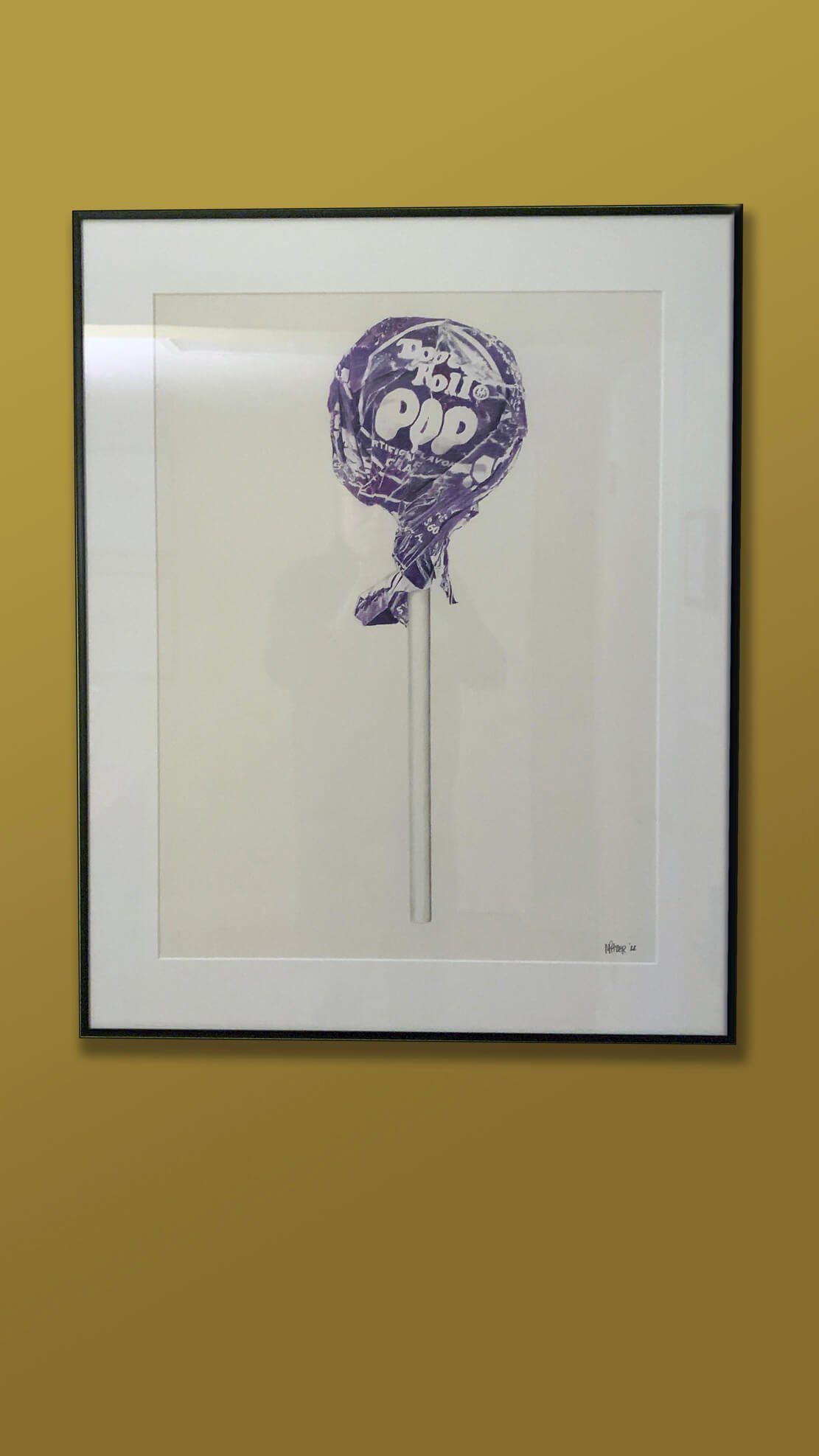 Image 4 of 4